Our story

Fumma began as a little magazine about a cat and the world around it, made by two cousins, Ben Przystanski and Celeste Goschen.

Life took them in different directions. Both travelled and became involved in projects far beyond anything they could have imagined as children.

Recently, the cousins came back together to make things again. Their company is based in the UK and takes its name from that childhood magazine. They bring different experience, but still share the curiosity that started it.

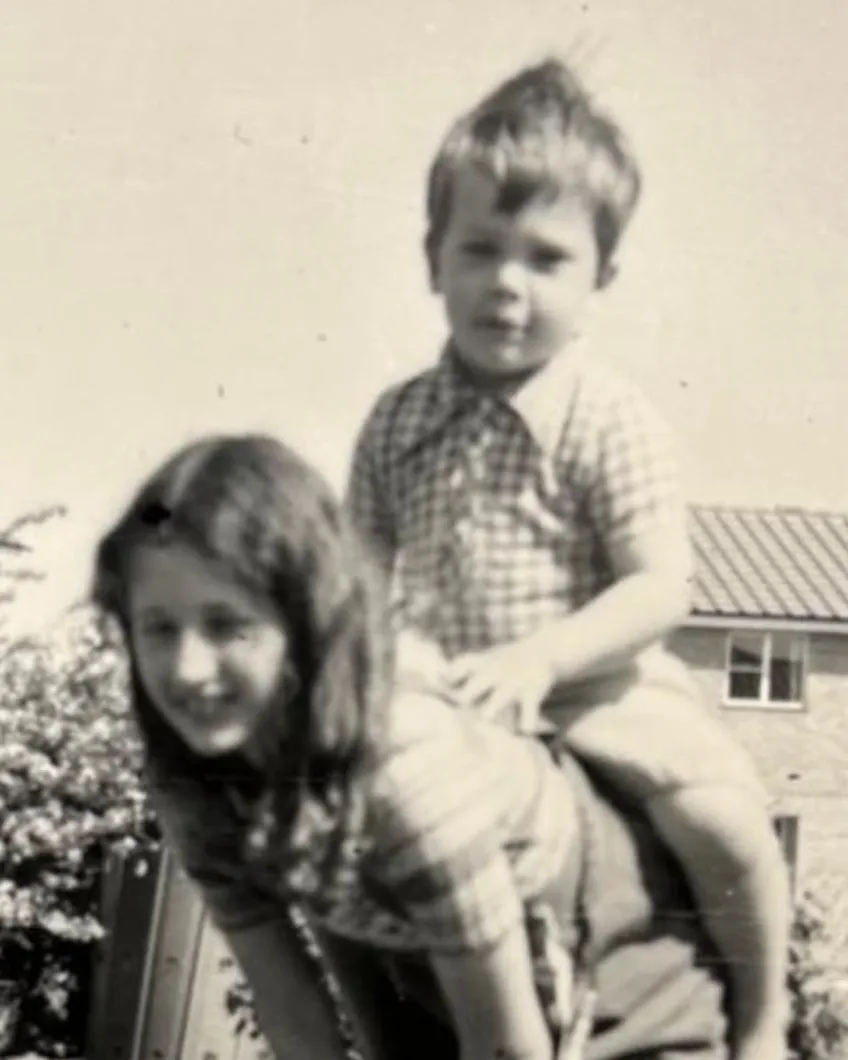
Black-and-white childhood photo of Celeste giving young Ben a piggyback in a garden
Celeste and Ben, back in the day.

The founders

Celeste Goschen

Celeste conceives and leads creative projects across the arts and the environment. She co-founded and built an ecotourism farm, working with volunteers to bring animal-assisted activities to young people, hospices and retirement homes. She has written for arts magazines, worked on electric aviation projects and been featured in Woman & Home, Pilot, The Times and the Financial Times.

Ben Przystanski

Ben built a career developing software and leading technical teams on major projects, including Ring, while continuing to make music. His work has since taken him into educational technology at Wharton.

The Fumma Manifesto

Fumma makes apps that help people understand the world more clearly and explore ideas for themselves. Its first, Red Panda, helps people investigate what they buy, from how it is made to who owns the company selling it. Other apps will follow, encouraging creativity and learning, and helping people think through the ethical questions they encounter in everyday life. The aim is to give people more scope to question, imagine and make their own choices.

The questions behind these apps also apply to Fumma. Before accepting investment or entering a partnership, the company will examine who owns what, who has control and where the money goes. Its founders must be able to explain those relationships openly and defend their choices. Some answers will be complicated. Fumma will say so and revisit decisions when new information comes to light. A profitable offer, or an inconvenient discovery, cannot be a reason to look away.

Fumma must be open to scrutiny too. If Red Panda encourages people to look behind a company, its own ownership, funding and relationships must be there for people to examine.

Asking people to look means agreeing to be looked at. And inviting people to be creative means giving them enough freedom to surprise even the people who made the app.

We mean it. See who owns Fumma and where our money comes from →